
 Feb 25, 2026
There is nothing more frustrating than waiting weeks for a critical shipment of inventory to arrive, only to open the container doors and find damaged, broken, or ruined goods.
Cargo damage doesn't just cost money; it damages your business reputation, disrupts your supply chain, and stalls your growth. While some transit variables are out of your hands, understanding the most common causes of cargo failure allows you to actively protect your investments.
Here are five hidden risks of cargo damage and the exact steps you can take to prevent them.
The most common cause of cargo damage happens inside the container. During ocean voyages or bumpy road transits across mountainous terrains, cargo is subjected to constant movement, acceleration, and braking. If boxes are loosely packed, they will slam into each other.
The Solution: Ensure your cargo is tightly blocked and braced. Use dunnage bags (inflatable bags), straps, and pallets to fill empty spaces and lock your items securely in place.
When shipping goods across different climate zones via ocean freight, temperatures inside a sealed steel container can fluctuate drastically. This temperature shift causes condensation to form on the ceiling and walls—a phenomenon known as container sweat.
This moisture drips onto cargo, causing mold, rust, warped packaging, and ruined electronics.
The Solution: Use high-quality desiccants (moisture-absorbing packets) inside your packaging, and line container walls with thermal insulation blankets for moisture-sensitive goods.
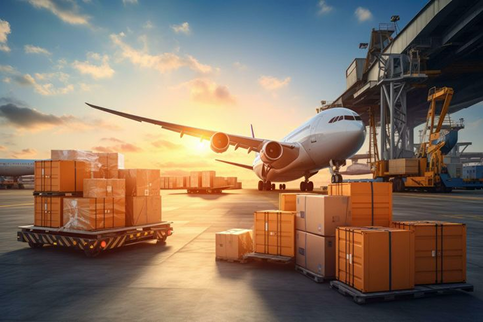
Pallets are the backbone of modern freight. However, if goods are stacked unevenly, or heavy boxes are placed on top instead of the bottom, the pallet can collapse under its own weight during transit.
Failing to shrink-wrap pallets securely can also allow items to slide off.
Rule of Thumb: Always stack pallets in a pyramid or cube structure with the heaviest items at the base. Wrap the entire pallet tightly with stretch-wrap so it moves as a single solid unit.
Perishable items, pharmaceuticals, cosmetics, and certain chemicals require strict temperature regulation. Shipping them in standard containers can cause spoilage, melting, or loss of effectiveness before arrival.
The Solution: Use Reefer (refrigerated) containers for ocean freight or temperature-controlled air freight for time-sensitive cargo.
Sometimes cargo damage is caused by careless handling during loading, unloading, or customs inspections. Fragile goods may be dropped, crushed, or exposed to weather.
Choose a Partner Committed to "Responsible Entrustment"
At SWG Nepal, we believe in being fully accountable for the role we are trusted with. We don’t just move freight—we manage it with the care, precision, and security it deserves.
Protect your cargo from transit risks. Talk to an SWG Nepal specialist today about our secure handling protocols and tailored cargo protection solutions.